





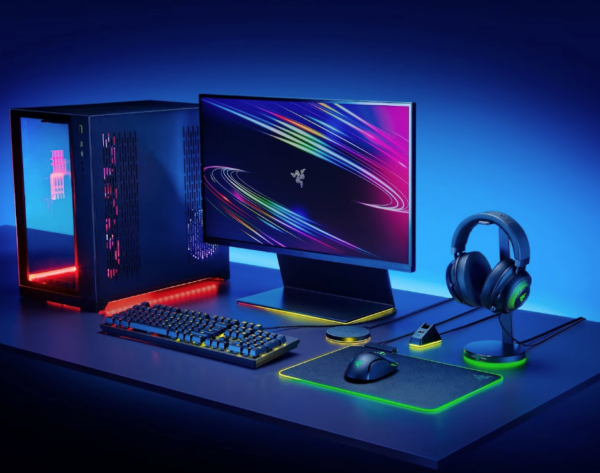









Buying gaming peripherals can feel like a loop of opinions, specs, and brand debates. The better approach is to treat the setup like a daily toolset, it should be comfortable, consistent, and easy to live with. Logitech G is a familiar name in gaming gear, but the more useful conversation is how to choose peripherals that fit a person’s games and habits.
Focus on feel, then confirm the technical basics
Most gamers notice comfort before they notice sensor charts. A mouse that cramps the hand will never feel right, no matter how advanced it is. A keyboard that feels mushy or too stiff can make long sessions tiring. A headset that presses too hard becomes distracting.
Once comfort is handled, the technical basics matter. Consistent wireless performance matters if someone prefers a cleaner desk. Good battery life reduces friction. Durable switches and solid build quality matter because peripherals get used constantly.
The keyword gaming peripherals fits naturally because that is what most players are actually upgrading. The keyword gaming peripherals also frames the goal, smoother control and less friction. Good gaming peripherals should disappear into the background, so the game becomes the focus.
Picking the right mouse for your hand and your games
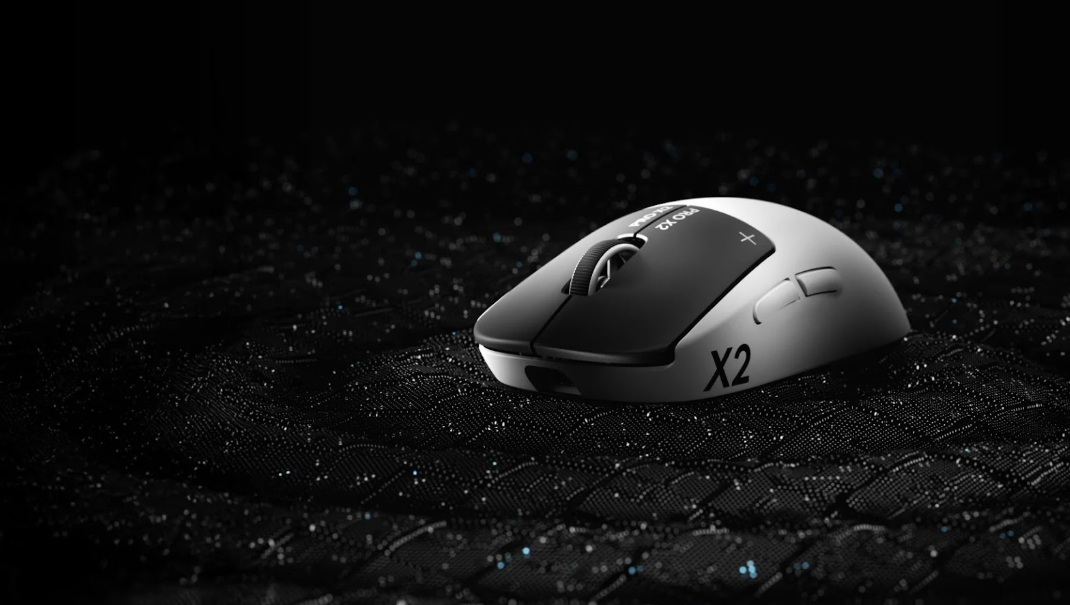
Mouse choice depends on grip style. Palm grip often prefers a fuller shape. Claw and fingertip often prefer a smaller, lighter body. Button placement matters more than many people admit, especially for MMO players or those who map extra controls.
Competitive shooters reward consistency. A mouse should track smoothly and click predictably. A stable sensor and solid feet help. Weight matters too, but only in combination with shape. A lighter mouse can help aim adjustments, but not if it feels unstable in the hand.
Logitech G offers several mouse shapes and weights, but the best approach is simple, choose the shape first, then decide on wired or wireless, then confirm the button layout.
Keyboards, switches, and the reality of daily use
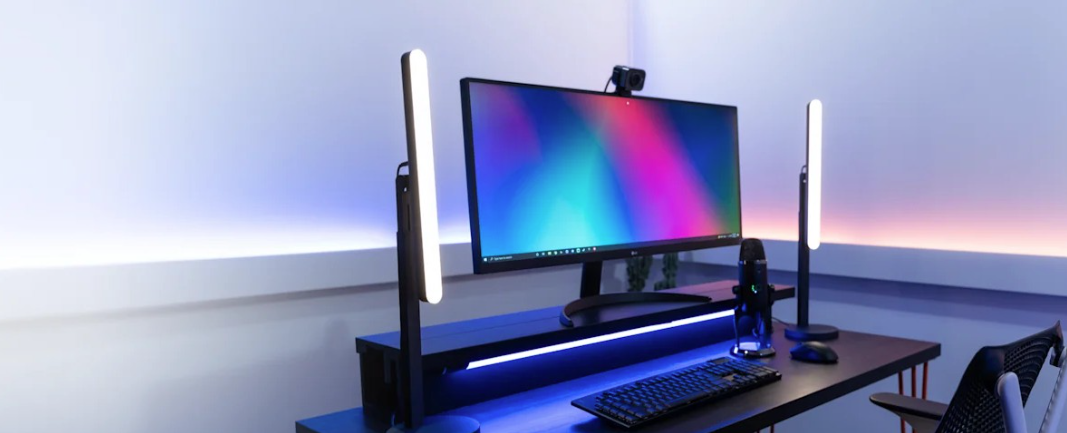
Keyboard talk often gets abstract. In real life, a keyboard has to feel good for hours. Some players prefer tactile feedback because it helps with rhythm. Others prefer linear because it feels smooth. Noise can be a deciding factor in shared spaces.
Size matters too. Full-size works for players who use a numpad for macros or work tasks. Tenkeyless can free up mouse space. Smaller boards can be great for tight desks but may require a learning curve.
Reliable software matters for lighting and profiles, but it should not be a constant chore. The more stable and intuitive it is, the easier it is to keep settings consistent across games.
Audio that supports awareness and comfort
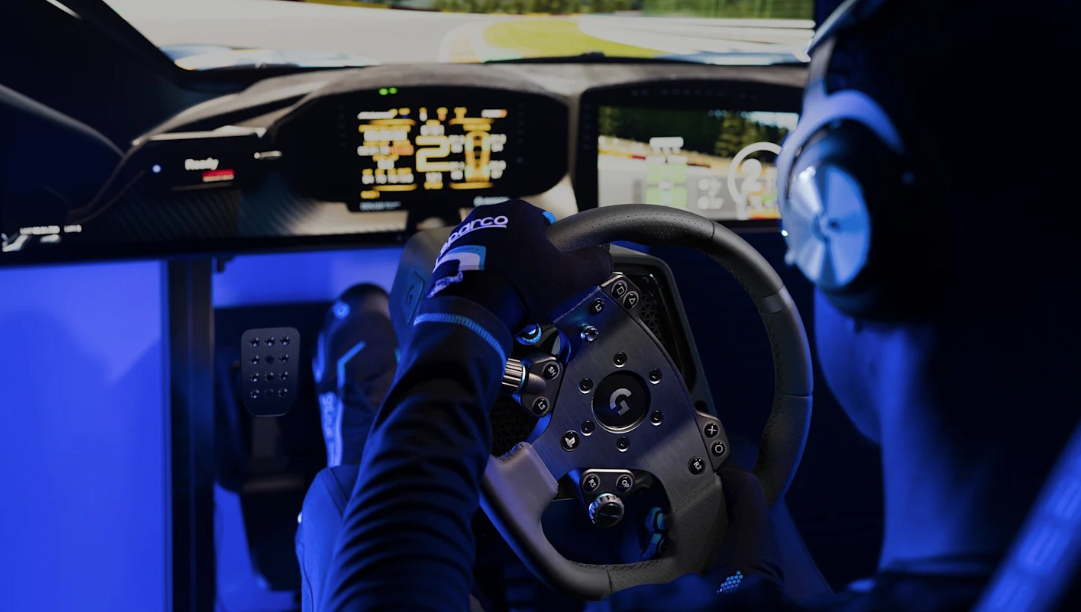
Headsets should be chosen for comfort first. Clamp force, pad material, and weight determine whether the headset stays enjoyable. Audio tuning matters, but many players can adjust with EQ if they care.
Microphone quality is often underestimated. If a person plays with friends, clear mic input reduces misunderstandings and makes sessions less tiring. The ideal is natural speech and minimal background noise pickup.
Fast ways to improve control and comfort
- Pick a mouse based on grip and shape first, then worry about features
- Match keyboard size to desk space, more mouse room often improves aim
- Choose a headset that stays comfortable for two hours, not ten minutes
- Keep sensitivity consistent across games, muscle memory matters
- Use a larger mousepad, it smooths movement and reduces desk friction
- Set up profiles for a few main games, then stop tweaking endlessly
- Keep the desk height and chair height aligned, posture affects precision
- Reduce cable drag or go wireless, smoother movement feels better
Building a setup that works for more than gaming
Many people use the same desk for work, study, and gaming. That means a setup has to be flexible. A clean layout helps. Wireless gear can reduce clutter. Easy switching between devices can matter for laptop users or multi-PC setups.
Logitech G often appeals to players who value reliability and a broad ecosystem. Still, the most evergreen advice is to buy for use, not identity. Start with the control points, mouse, keyboard, audio. Then refine comfort and layout.
The keyword gaming peripherals belongs here again because it guides the whole process. The keyword gaming peripherals also reminds the reader that daily use matters more than unboxing hype. When gaming peripherals feel natural, sessions become smoother and more enjoyable.


Building a men’s lifestyle wardrobeSeptember 30, 2020
A practical guide to building October 1, 2020

Essentials




Latest Post


