








A modern guide to building a sharper everyday wardrobe
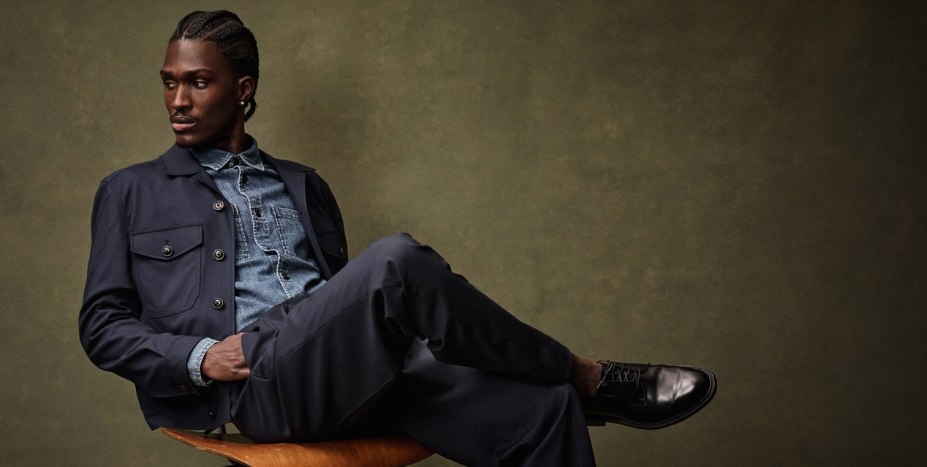
A good wardrobe does not need to be complicated. It needs to be intentional. The modern menswear shopper is usually trying to solve a few practical problems, looking put together at work without feeling overdressed, having weekend outfits that still look considered, and owning pieces that last longer than a season. This is where Todd Snyder’s approach resonates, it meets daily life where it is, then elevates it with fit, fabric, and a clear point of view.
It helps to think of menswear as a system. A system has repeatable combinations, reliable silhouettes, and enough range to cover different settings. Instead of chasing novelty, the smarter move is building from strong foundations. That might look like a refined sweatshirt that sits clean at the shoulders, trousers with a forgiving rise, or an outer layer that works on a commute and on a date night. Todd Snyder is frequently discussed in the same breath as modern American classics, and that framing is useful, it points the reader toward clothing that feels current without requiring constant reinvention.
What makes an everyday wardrobe feel elevated
A wardrobe looks better when proportions are consistent and fabrics do some of the heavy lifting. A tee can look premium when the neckline holds shape and the sleeve sits right. A jacket can look tailored when the shoulder is clean and the length is balanced. Fit is not only about tight or loose, it is about where the garment lands on the body.
When building outfits, the goal is not perfection, it is cohesion. Colors should play well together. Textures should feel deliberate. A typical mistake is buying strong standalone pieces that do not connect to anything else. A better approach is choosing items that can rotate through multiple looks.
A modern menswear wardrobe works best when it includes a few dependable categories.
- Crisp shirts that layer easily, and do not balloon at the waist
- Knitwear with structure, so it reads polished without effort
- Casual tailoring that moves, so it can be worn more than once a week
- Outerwear that anchors an outfit, and does not feel seasonal after one wear
This kind of thinking shifts shopping from impulse to strategy. It also helps avoid closets full of “almost right” items.
A practical way to shop by outfit needs
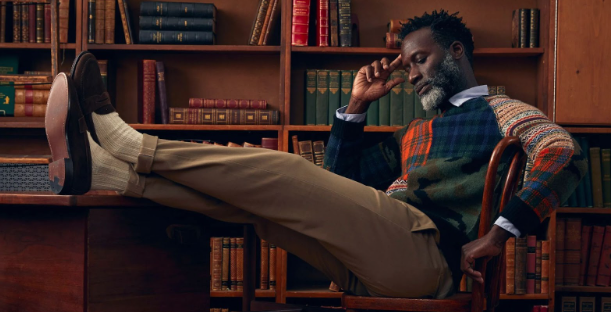
Instead of shopping by product type, it’s often smarter to shop by the situations that come up repeatedly. A commuter might need clothes that handle temperature swings. Someone who travels might value pieces that resist wrinkles and layer well. A person who splits time between office and social plans might want a uniform that adapts quickly.
A simple framework can help.
- Identify the top three scenarios the person dresses for most often.
- Build one reliable outfit for each scenario.
- Add supporting pieces that expand those outfits without changing the core vibe.
This is how a wardrobe becomes efficient. A shopper might start with a clean pair of dark trousers, a sturdy overshirt, and a knit polo. Those pieces can pivot into multiple combinations with small shifts in footwear and layering.
The phrase menswear-first gets used a lot, but it matters here because it signals that the line is designed around the male silhouette and the details men tend to notice. The keyword menswear-first fits naturally when describing a closet that prioritizes fit and repeatability. The keyword menswear-first also applies to shoppers who prefer brands that lead with men’s styling rather than treating it as an add-on. For anyone building a wardrobe in a menswear-first direction, this style system makes sense.
Fit and proportion matter more than trend
A garment can be fashionable and still unflattering. The most common issues are shoulders that droop, sleeves that swallow the hand, and pants that break awkwardly. Fixing these does not require chasing a trend. It requires attention to fundamentals.
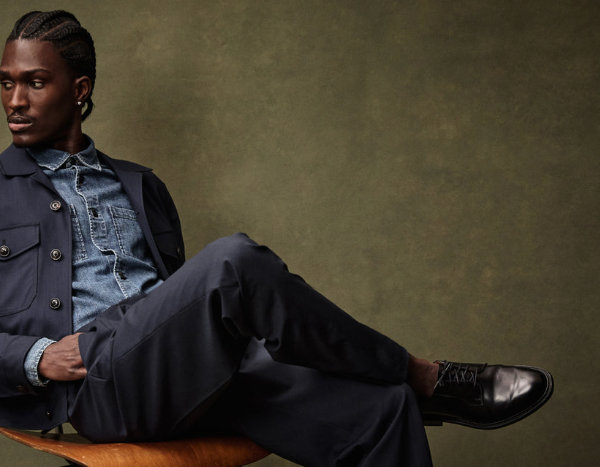
A useful rule is balancing volume. If the pants are fuller, the top looks better with structure. If the top is relaxed, the pants often look cleaner with a straighter line. This is why a well-cut jacket or a sharp overshirt is so valuable, it gives shape.
Footwear also affects proportion. Chunkier shoes add visual weight, which pairs well with straight or wider pants. Sleeker shoes look better with tailored lines. Small decisions create big differences.
How to think about fabrics and longevity
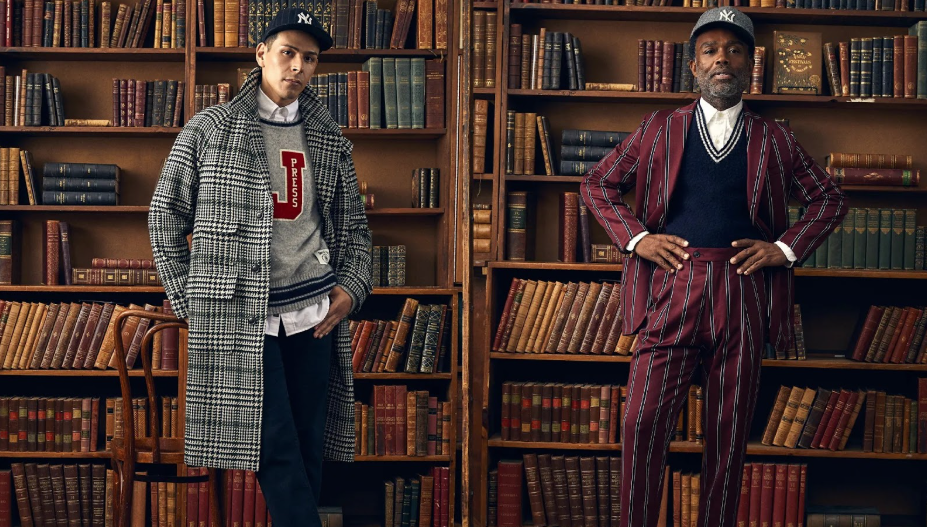
Fabric quality is not only about luxury. It is about performance. A dense cotton will drape better and last longer than a thin one. A wool blend can keep shape. A thoughtful lining can help a jacket move.
Durability also depends on care, but better fabrics are easier to care for in the first place. They pill less. They hold color. They do not stretch out after a few wears.
Shopping with longevity in mind can actually simplify style, because repeat wear becomes part of the look. Clothes that age well tend to look more personal over time.
Quick ways to upgrade daily outfits
- Choose one neutral palette and stick to it for most items
- Add one texture per outfit, such as knit, suede, or brushed cotton
- Keep the top layer structured, even when the base is casual
- Make sure pants break cleanly, hemming is a quiet upgrade
- Rotate footwear styles, but keep the color family consistent
- Use simple accessories, a belt and watch can pull things together
- Avoid oversized logos, they date faster and limit styling range
- Buy fewer pieces, but insist that each one works with at least three outfits
A dependable wardrobe is a confidence tool
People often underestimate how much clothing affects decision fatigue. When the closet is filled with pieces that fit and work together, mornings are easier. Social plans are easier. Travel is easier. That ease is part of why Todd Snyder continues to appeal to shoppers who want polish without costume.
This approach does not require constant buying. It requires clarity. If the wardrobe is built around fit, cohesion, and a few key layers, it stays relevant. That is the point of modern menswear done well, it supports real life and still feels sharp.

Latest Post


Essentials