















A realistic approach to fitness habits that actually stick

Fitness advice often swings between extremes, either complicated routines or aggressive promises. Most people need something simpler, a plan that fits their schedule, supports energy, and stays consistent. Onnit is known in the fitness lifestyle space, but the evergreen conversation is not about hype, it is about building habits that are sustainable.
Start with consistency, not intensity
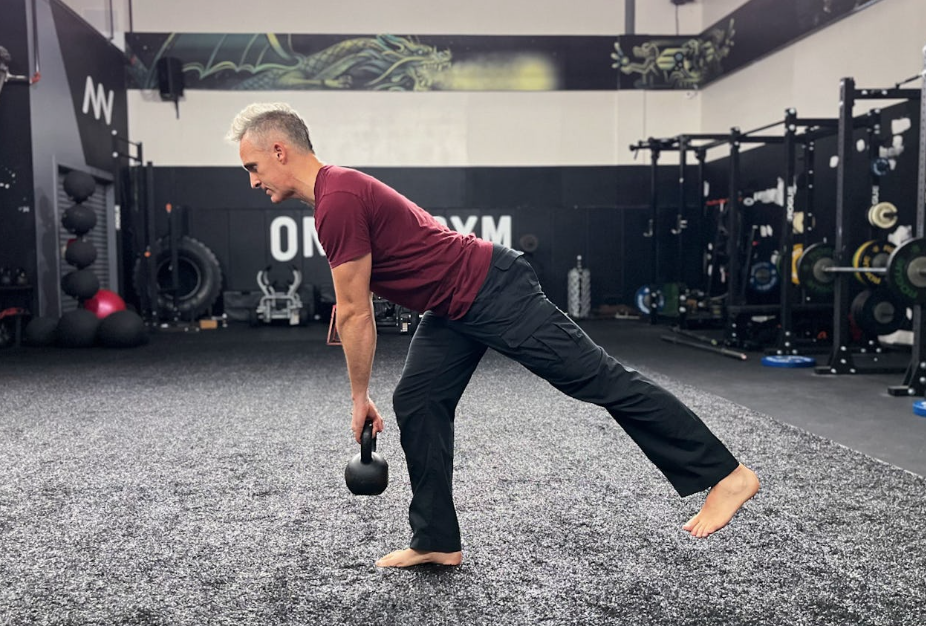
Many people burn out because they start too hard. A better approach is showing up regularly with manageable workouts. Two to four sessions a week can change strength and stamina when done consistently. The goal is building a baseline, then adding challenge gradually.
Training should also match the person’s life. Someone with a desk job might need mobility and posture support. Someone who plays sports might need conditioning and joint care. Someone with limited time might need shorter, high-quality sessions.
The keyword functional fitness routine fits naturally because it focuses on movement quality and real-life strength. The keyword functional fitness routine also fits readers who want training that supports everyday life. A functional fitness routine can be simple and still effective.
Build around movement patterns
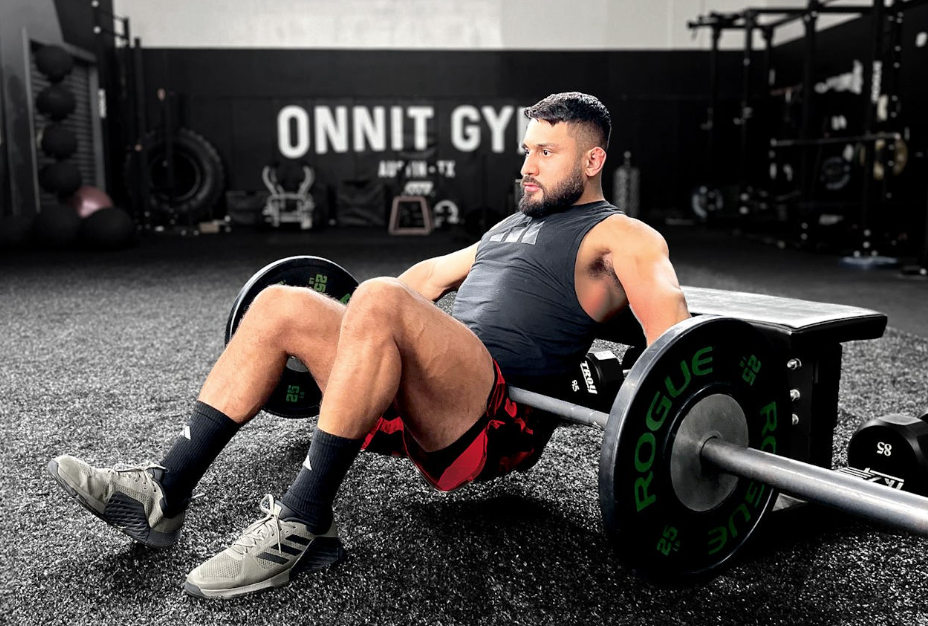
Most effective plans cover a few essentials, squat, hinge, push, pull, carry, and core stability. When these patterns improve, life feels easier. Lifting groceries feels easier. Climbing stairs feels easier. Sitting for long hours feels less stiff.
A routine does not need dozens of exercises. A handful done well can be enough.
Recovery matters too. Sleep, protein intake, and hydration can make workouts feel better and reduce soreness. People often underestimate how much recovery influences progress.
Make nutrition practical
Most nutrition success comes from basics. Enough protein. Enough fiber. Consistent meals. Reasonable portions. Supplements can support gaps, but they do not replace habits.
A practical approach is building meals around a protein source, then adding carbs and fats based on energy needs. That keeps the plan flexible and realistic.
Motivation is unreliable, systems help
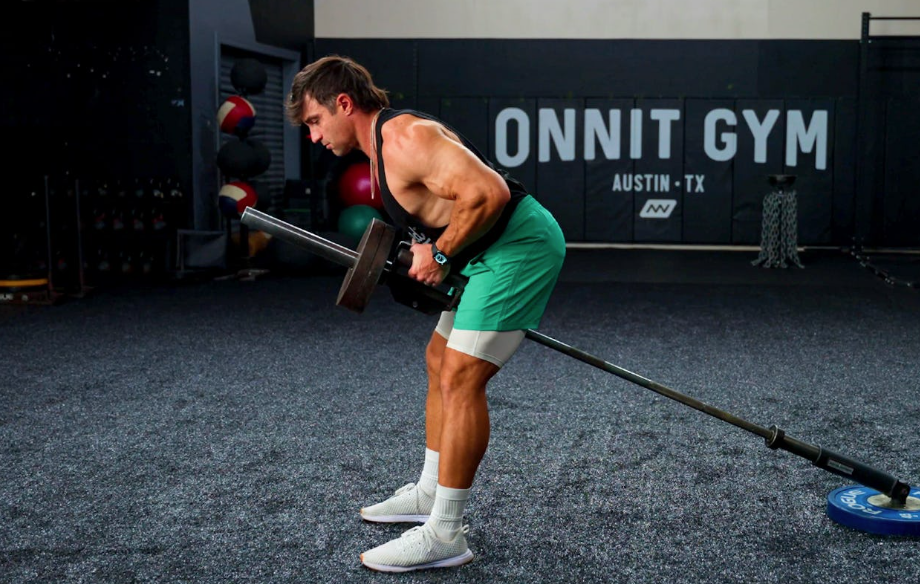
Motivation comes and goes. Systems stay. A system might be scheduling workouts like appointments, keeping a gym bag ready, or choosing a time of day that is predictable. Progress also feels better when tracked, not obsessively, but enough to notice trends.
Onnit often appears in conversations about training tools and fitness culture, but the evergreen value is this, build a routine that can survive busy weeks.
Simple habits that support progress
- Pick two workout days that are consistent, routine beats randomness
- Train full body often, it saves time and builds balanced strength
- Keep sessions short if needed, consistency matters more than length
- Track one or two lifts, small improvements compound
- Walk daily, it supports recovery and general conditioning
- Prioritize protein at breakfast, it helps appetite control
- Sleep is training, poor sleep makes everything harder
- Progress slowly, injuries usually come from rushing
A routine should support life, not take it over
Fitness is supposed to improve life, not become a stressor. A functional fitness routine helps because it builds strength that translates to daily movement. The keyword functional fitness routine shows up again because it frames the goal, capable movement, steady energy, and consistency. A functional fitness routine that fits the schedule is the one that lasts.

Start
Building a men’s lifestyle wardrobe September 30, 2020

Essentials




Latest Post


